Getting people to your website is important. You can invest in SEO, Google Ads, social media, email marketing, networking, Google Business Profile optimization, and even AI search visibility to bring potential customers to your site. But traffic isn’t the ultimate goal.
Customers are.
If 500 people visit your website this month and nobody calls, fills out a form, schedules an appointment, or requests a quote, having more traffic probably isn’t going to solve your biggest problem. You may have a conversion problem. Your website has one primary job: Turn visitors into customers. So why do some small business websites get visitors but very few leads? Here are some of the most common reasons we see.
1. Visitors Can’t Immediately Tell What You Do
Open your website and look at the first screen someone sees. Don’t scroll. Can a brand-new visitor quickly answer three questions? What do you do? Where do you do it? What should I do next?
If not, your website may be making potential customers work too hard. Headlines like: “Quality You Can Trust.” or “Excellence Is Our Passion.” sound nice, but they don’t necessarily tell visitors anything about the business. Compare that with: “Commercial Fuel Delivery Throughout Dallas-Fort Worth.” Now I know exactly what you do and where you do it. Clarity beats cleverness. Especially online.
2. There’s No Obvious Call to Action
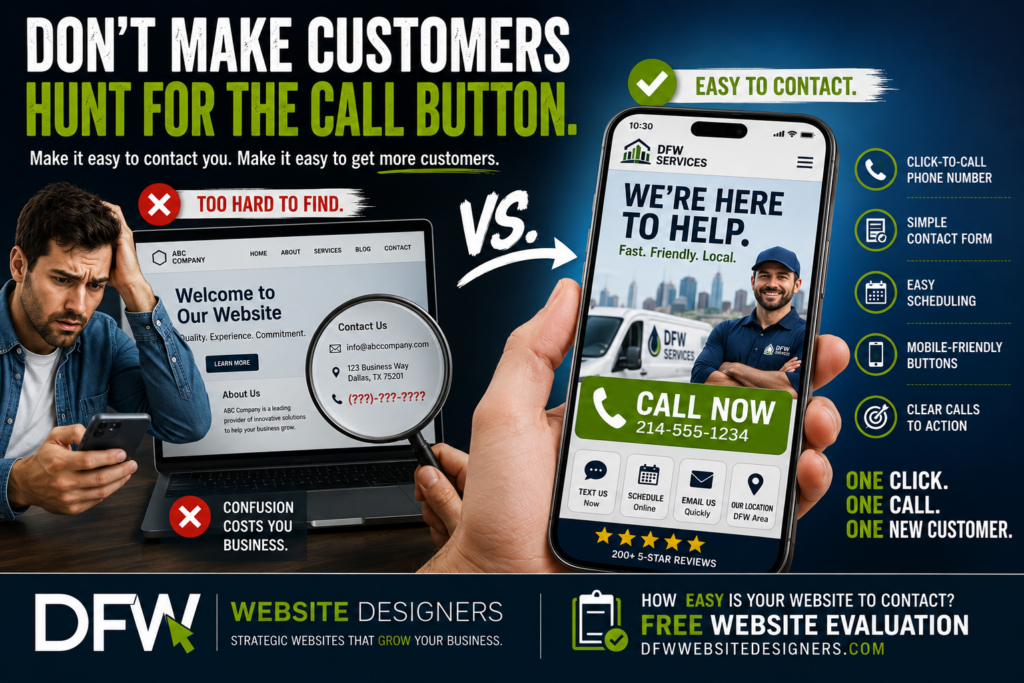
What do you want someone to do after visiting your website? Call? Request a quote? Schedule an appointment? Book a consultation? Visit your store? Your website should make that next step ridiculously obvious. A visitor shouldn’t have to play Where’s Waldo? with your phone number. Use clear calls to action throughout the website such as: Call Today, Request a Free Quote, Schedule an Appointment, Get Started, Contact Us.
Don’t assume visitors will figure out what to do. Tell them.
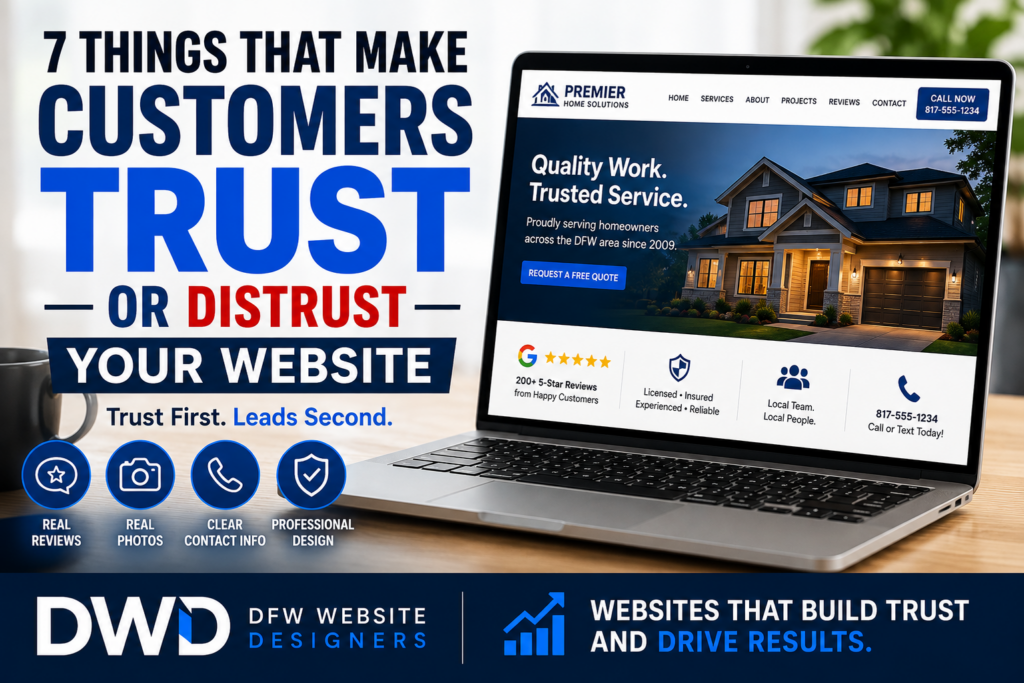
3. Your Website Doesn’t Build Enough Trust
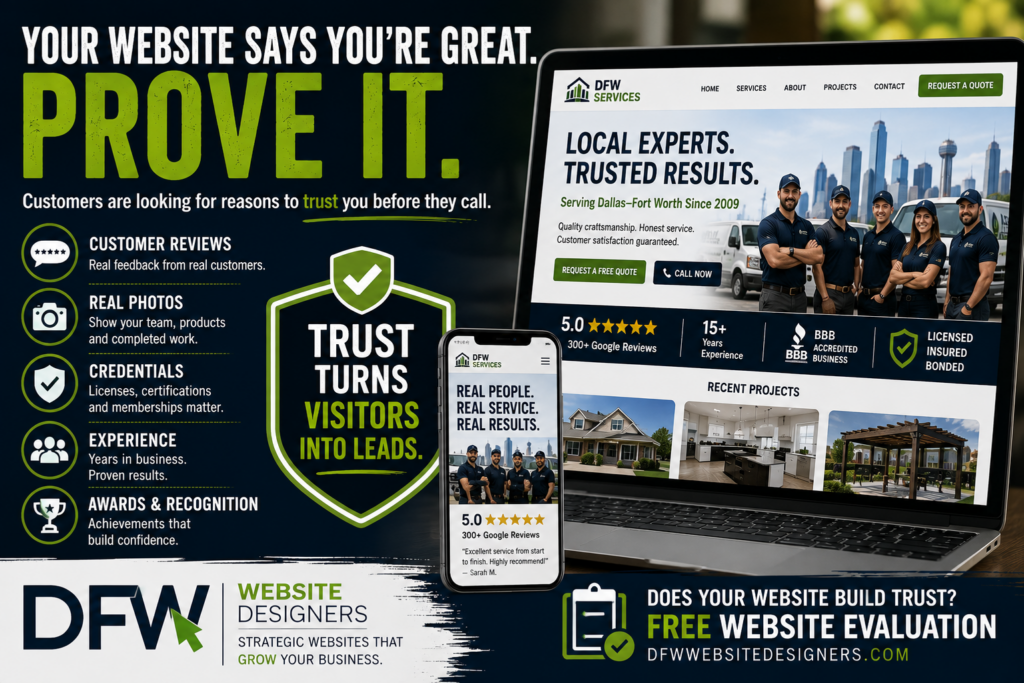
Before someone contacts your business, they’re probably wondering: “Can I trust these people?” Your website needs to answer that question. Trust can be built through things like:
- Customer reviews and testimonials
- Real photographs
- Years in business
- Certifications and professional affiliations
- Awards
- Case studies
- Completed projects
- Team biographies
- Guarantees or warranties
- Clear contact information
One of the biggest mistakes small businesses make is hiding their best credibility information on an About page nobody visits. If you’ve been serving DFW for 30 years, say it prominently. If you have hundreds of five-star reviews, show them. If you’ve completed thousands of projects, tell people. You’ve earned that credibility. Use it.
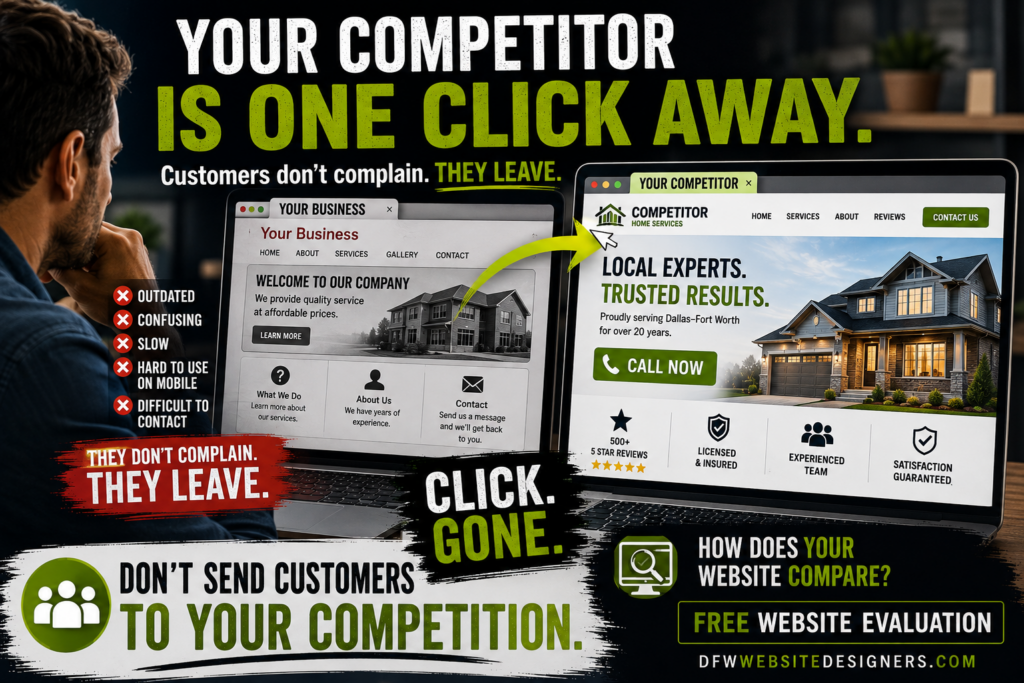
4. Your Website Looks Outdated
People absolutely judge businesses by their websites. Fair? Maybe not. Reality? Absolutely. A potential customer may know nothing about your company’s actual quality when they first find you. They’re looking for clues. If your website looks like it hasn’t been touched since 2012, visitors may subconsciously wonder whether your business operates the same way.
An outdated website can create doubts about: Professionalism, Reliability, Security, Technology, Customer service and Whether the business is even still operating. Your website doesn’t need to win a design award. It needs to look current, professional, trustworthy, and intentional.
5. Your Website Is Painful to Use on a Phone
For many local businesses, a huge percentage of visitors will encounter the website on a smartphone. That means mobile design isn’t optional. Check your website on your phone. Can you easily read everything? Can you tap the phone number? Can you find the menu? Can you fill out the contact form?
Can you request a quote without pinching, zooming, squinting, or developing an entirely new vocabulary of bad words? If the mobile experience is frustrating, visitors may simply leave. And they’ll probably go directly to a competitor.
6. Your Contact Form Asks for Too Much
Sometimes businesses accidentally turn their contact form into a mortgage application. First name. Last name. Address. City. State. ZIP. Phone. Email. Budget. Timeline. How did you hear about us? Favorite Beatle. Blood type. Okay, maybe not the last two.
But you get the idea. Every additional required field creates another opportunity for someone to abandon the form. Ask for the information you genuinely need to start the conversation. You can collect everything else later.
7. You’re Talking About Yourself Instead of the Customer
Count how many times your homepage says: We. Our. Us. Then count how many times it talks about the customer’s problem. Businesses naturally want to tell visitors about themselves. “We’ve been in business since…” “We believe…” “We provide…” “We are committed…” Some of that is necessary. But customers are primarily asking:
“Can you solve my problem?” Great website copy connects what your company does with what the customer needs. Instead of: “We provide comprehensive irrigation services.” Try: “Keep your lawn healthy without wasting water with professional sprinkler repair and irrigation services.” Same service. Different perspective.
8. You’re Sending Everyone to the Homepage
Your homepage doesn’t have to do everything. If someone searches for: “sprinkler repair Bedford TX” sending them to a page specifically about sprinkler repair in Bedford can create a much stronger experience than dropping them onto a generic landscaping homepage.
The same applies to advertising. If you’re running an ad for a particular service, send visitors to a page about that service. Match the page to the visitor’s intent. The fewer mental jumps someone has to make, the easier it becomes to take action.
9. Your Website Is Too Slow
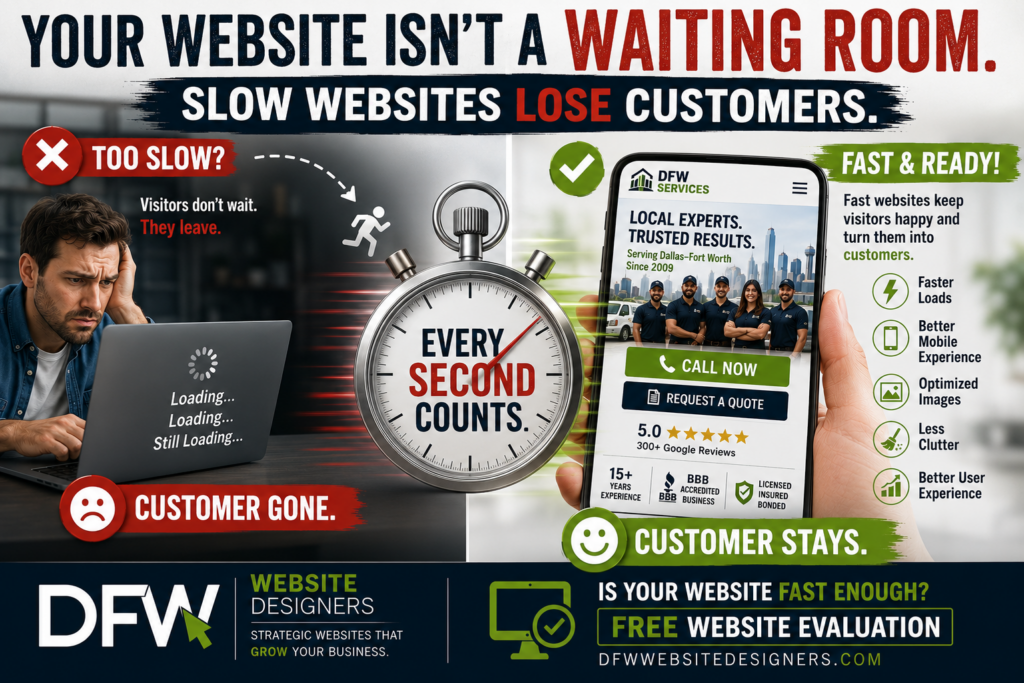
People aren’t particularly patient online. If your website takes forever to load, some visitors will leave before they ever see your brilliant headline, beautiful photographs, testimonials, or offer. Large images, unnecessary scripts, excessive plugins, poor hosting, and bloated website builders can all contribute to performance problems. Speed isn’t just a technical issue. It’s a customer experience issue.
Every second someone waits is another opportunity to hit the Back button.
10. You’re Not Tracking What Visitors Actually Do
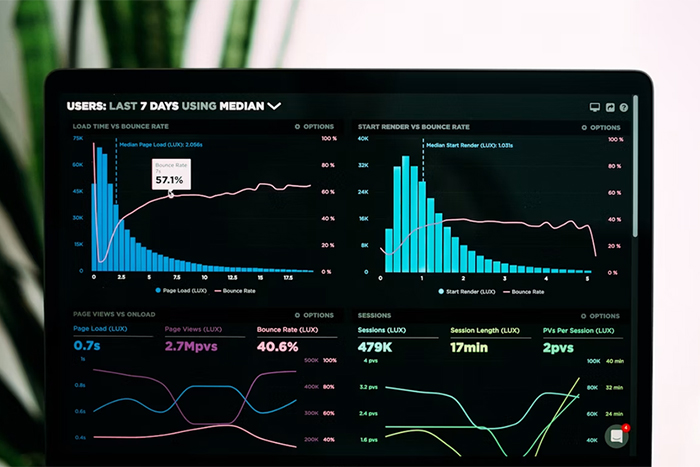
This may be the biggest problem of all. Many small business owners have no idea what’s happening on their website. They know they have one. That’s about it. At minimum, you should understand How many people visit your website. Where visitors come from. Which pages receive traffic. Which pages generate leads. How many people call. How many forms are submitted. Which marketing campaigns produce results. Without tracking, you’re guessing. And marketing gets expensive when you’re guessing.
More Traffic Isn’t Always the Answer
Suppose your website receives 1,000 visitors and generates 10 leads. That’s a 1% visitor-to-lead conversion rate. You could spend more money trying to attract another 1,000 visitors. Or you could improve the website so more of your existing visitors take action.
If improvements increased that conversion rate from 1% to 3%, the same 1,000 visitors could theoretically generate 30 leads instead of 10. Same traffic. Three times the leads. That’s why conversion matters. Traffic gets people through the door. Your website has to do something with them once they arrive.
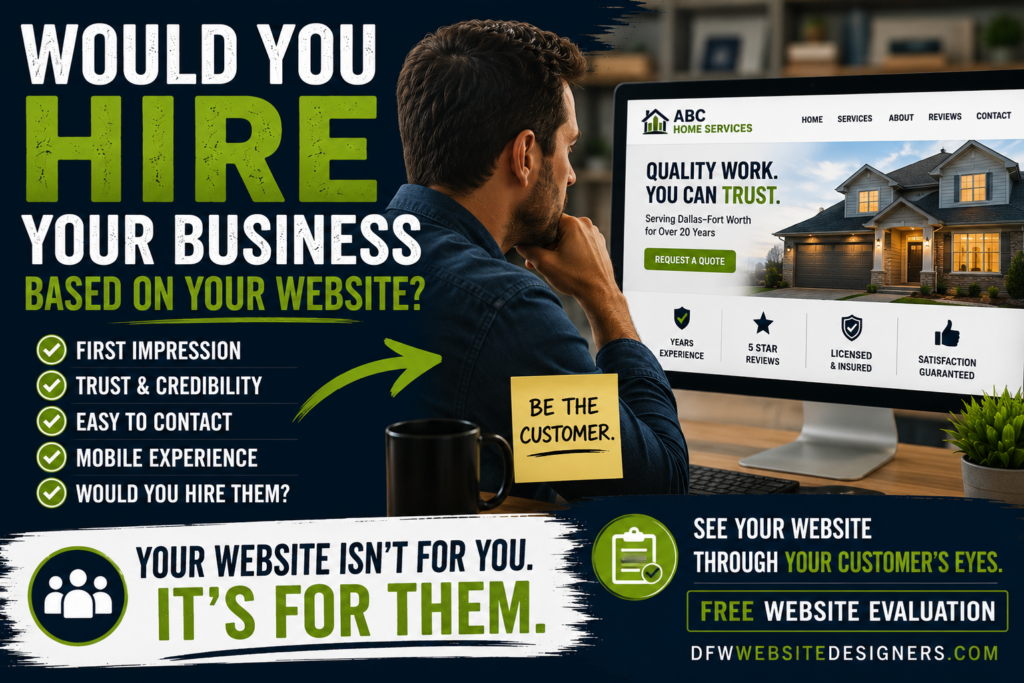
Look at Your Website Like a Customer
Business owners have one major disadvantage when evaluating their own websites: They already know everything about their company. Your customers don’t. Try looking at your website through the eyes of someone discovering your business for the first time.
Ask yourself: Can I immediately tell what this company does? Can I tell whether they serve my area? Do they look trustworthy? Can I easily find their phone number? Is there an obvious next step? Does the website answer my questions? Does it work well on my phone? Would I feel comfortable contacting this company? Those answers matter more than whether you personally love the shade of blue in the header.
A Pretty Website Is Nice. A Website That Works Is Better.
Your website isn’t supposed to be an online brochure that sits quietly on the Internet looking pretty. It should be one of your hardest-working sales tools. It should help people discover your business. It should explain what you do. It should establish trust. It should answer questions.
And ultimately, it should encourage potential customers to take the next step.
At DFW Website Designers, we build websites for small businesses throughout Dallas-Fort Worth with one simple philosophy: Great websites don’t just look good. They work. If your website is getting visitors but isn’t generating the calls, leads, and customers you expected, it may be time to figure out why.